
The Psychological and Physical Benefits of Ecotourism
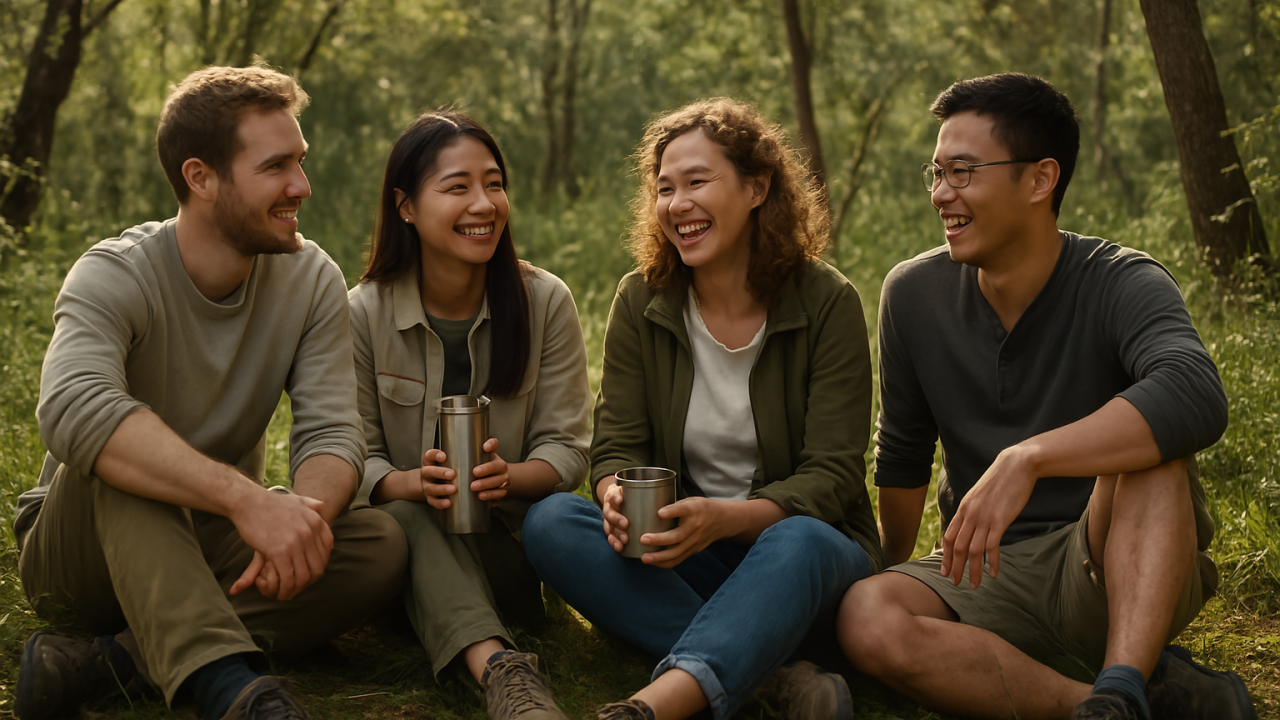
With all the noise and distractions in everyone's life, reconnecting with nature is essential. Ecotourism offers a sustainable way to escape modern life, with glamping providing an accessible and comfortable gateway to embrace natural experiences.
The Science of Nature and Wellness
Plenty of research over the past few decades shows spending time in nature reduces stress and improves well-being. A Stanford study found that walking in natural environments decreases activity in brain areas linked to depression. Similarly, Japan’s “shinrin-yoku” or forest bathing is proven to lower cortisol levels and boost mood. A 2019 study in Scientific Reports revealed just 120 minutes weekly in nature enhances overall health.
Mental Health Benefits of Ecotourism
Nature-based activities like hiking or stargazing significantly lower cortisol. Unlike urban travel, ecotourism prioritises slower, calming rhythms, helping guests disconnect from daily stress and issues.
Spending time in nature also encourages mindfulness by grounding individuals in the present. By waking up to birds chirping or enjoying a mountain sunrise in the morning will help foster mental clarity and emotional balance.
Physical Health Benefits of Ecotourism
Ecotourism naturally incorporates physical activities like hiking and biking, which improve cardiovascular health while connecting travellers with their environment while sleeping in nature resets circadian rhythms, enhancing sleep quality. You can imagine that this would provide deeper, more restorative sleep, aided by quiet and fresh air.
**Conclusion**
Ecotourism through glamping fosters mental clarity, stress relief, and physical wellness, offering transformative experiences beyond the trip itself. As more travellers embrace the healing power of nature, glamping emerges as a vital tool for reconnection, enabling them to unplug, recharge, and thrive.